The best plumbing marketing ideas treat emergency calls and planned jobs as two different buyers. Burst-pipe and no-hot-water calls are won in Local Services Ads, search ads and the map pack. Water heater and repipe jobs are won with clear service pages, follow-up and tracking that shows which calls became paid work.
This guide covers how to market a plumbing business on both sides and how to see which plumbing lead generation channels are paying. It draws on what BLS, EPA, the National Weather Service and Google have published, plus how ASP runs plumbing marketing for established companies.
Emergency Calls and Planned Jobs
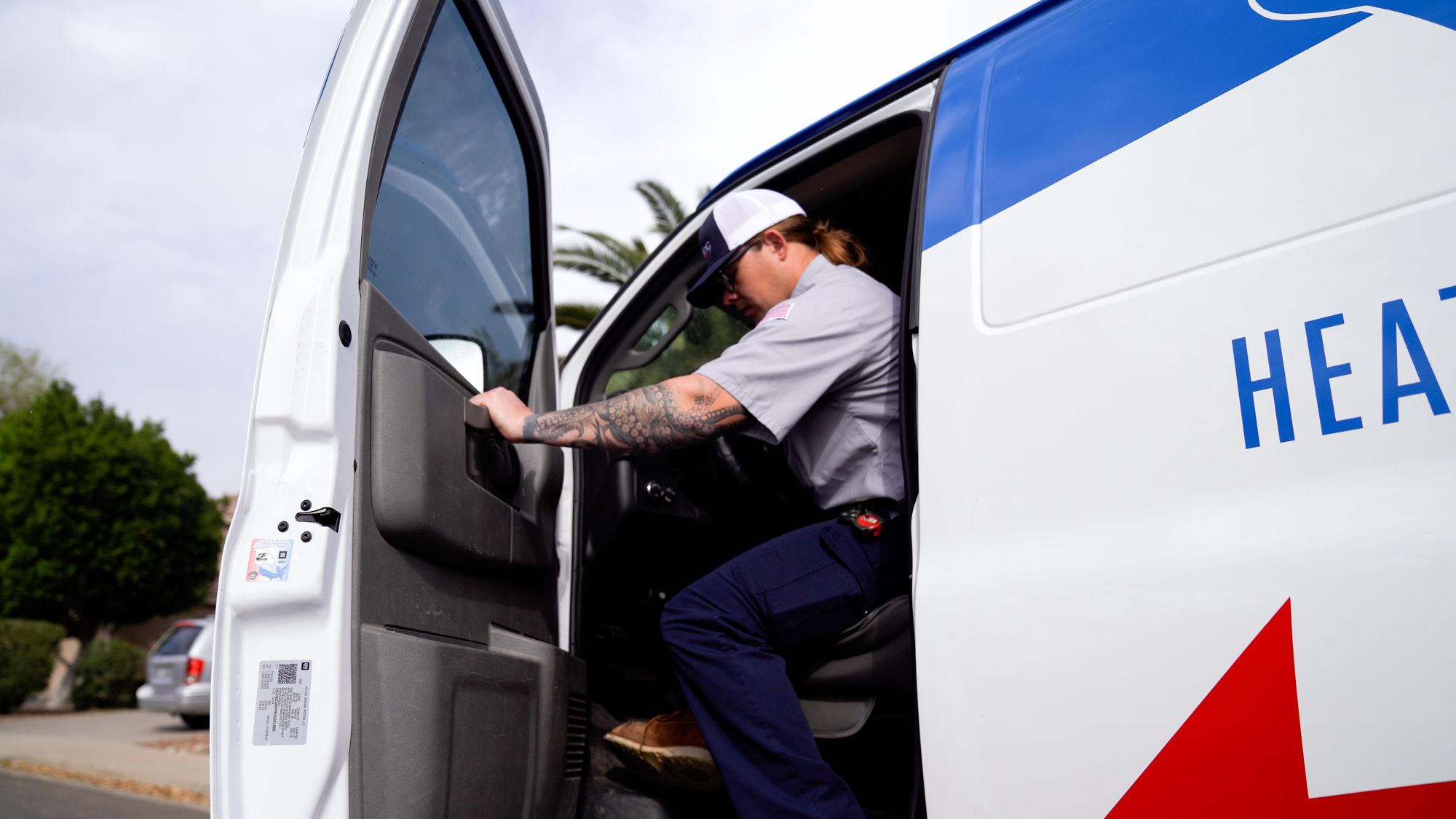
Plumbing calls come in two very different kinds. The Bureau of Labor Statistics says plumbers are often on call for emergencies, so evening and weekend work is common. The homeowner with water spreading under the sink is on a phone, in a hurry, and calling whichever company looks credible and picks up.
Planned work moves on a slower clock. BLS expects demand for plumbers to come from new construction and from maintaining and repairing plumbing in existing homes and other buildings. A water heater replacement or a whole-house repipe gets researched, compared and quoted before anyone books, so it needs different pages and different follow-up than a midnight leak.
It also helps to know the size of the field. BLS counts about 510,600 jobs for plumbers, pipefitters and steamfitters in 2025, a figure that includes pipefitters and steamfitters, so it is not a plumbers-only count. About 65 percent of those jobs are with plumbing, heating and air-conditioning contractors, and another 8 percent are self-employed. Federal data also shows 94,274 private residential plumbing and HVAC contractor establishments in 2025, a count that covers both trades together because they share one industry code. With that many companies in the field, marketing has a lot to do with which one gets the call.
Key Takeaway: Split your plan by buyer. Emergency calls reward speed and visibility, while planned jobs reward clear pages and patient follow-up.
Local Services Ads for Plumbers
Local Services Ads put a pay-per-lead listing above the map results for people who need a plumber now. Google lists "Plumbers" as a US category, and in California and Florida only, "Drain expert" appears as its own category. Google treats plumbing as an urgent category, because people often call a plumber for something time-sensitive such as a hot water outage. Every business goes through Google's screening before its ads run.
With these ads, you are charged for leads tied to your services instead of clicks. A lead can be a phone call, a message request or a booking made straight from the ad. Where you rank depends on your bid, how likely your ad is to produce a lead and your profile quality. Google's ranking page defines profile quality as your rating, review count, response time, photos and completed verification checks, and it says missed calls may hurt your responsiveness.
That makes phone coverage part of the ad strategy, and reviews part of it too. Earn reviews from real customers and keep every request within Google's review policies and the FTC's rule on fake reviews. Don't offer rewards, set quotas or hand customers a script. Google has also renamed its badge to Google Verified. Google says it will discontinue the money-back guarantee tied to the older badge, so ads and site copy should use the current name and leave the guarantee out.
Key Takeaway: On Local Services Ads, a missed call may hurt your rank as well as cost you a job, so plan phone coverage before raising the budget.
Search Ads and Meta for Plumbing Companies
Google Search Ads pick up plumbing searches that Local Services Ads don't capture. Build one ad group per service or service area, use phrase match and add to the negative keyword list every week. That structure shows whether drain cleaning, water heaters or sewer work is paying. If your crew takes after-hours calls, run the ad schedule during those hours only when someone will answer. A click that rings an empty phone is wasted.
Planned jobs deserve their own campaigns and budget, because the search terms, ticket size and time to decide all differ from an emergency. Leak work is a good example. EPA estimates household leaks can waste nearly 1 trillion gallons of water a year nationwide. The homeowner who notices a high water bill is a planned-work lead, not a midnight call. Our plumbing advertising page covers how these accounts are set up.
Meta plays a different role. Burst-pipe calls don't reliably come from Facebook, because emergencies get searched the moment they happen. Meta earns its budget by retargeting homeowners who read your water heater or repipe page and didn't call. It is also a strong hiring channel. BLS projects about 42,000 openings a year for plumbers, pipefitters and steamfitters, on average, over the 2025 to 2035 decade. The techs you want are usually employed. Recruiting should run as its own campaign with its own budget so hiring spend stays out of your cost per job.
Key Takeaway: Put planned work in its own campaigns with its own budget, and use Meta for retargeting and hiring rather than urgent calls.
Service Pages and Leak Content
For local searches, your Google Business Profile does a lot of the work. Google's guidelines ask a business that serves customers at their location to keep one profile for its central office, with a service area set. They also rule out a virtual office unless it is staffed during business hours. Local SEO Pro handles the profile, citations across 60+ directories and a monthly ranking heatmap from 50+ grid points. The heatmap shows where you rank neighborhood by neighborhood. For the basics, read our local SEO playbook for home service businesses.
On your website, a homeowner pricing a tankless water heater or a repipe needs a page that explains the options, what moves the price and what the job involves. Decide which services get pages first by what a booked job is worth to you. Put license numbers, master plumber credentials and years in the trade where buyers can see them. Fill the pages with details from interviews with you or a senior tech, like why a cheap fix fails a few years later.
Leak content speaks to people who already know something is wrong. EPA says the average household's leaks can account for more than 9,300 gallons of water wasted every year. It also says 9 percent of homes have leaks wasting 50 gallons or more a day. Pages on running toilets, hidden leaks and high water bills fit that buyer. EPA also holds Fix a Leak Week every year, which gives you a fixed point to schedule leak content around. Our plumbing SEO services page covers the organic plan.
Key Takeaway: Keep your profile inside Google's rules, build pages for the jobs worth the most, and publish leak content for homeowners who already see the signs.
Freeze Weeks and Weather Spikes
Weather stacks sudden spikes on top of normal demand. The National Weather Service's cold-weather guidance tells people to take precautions so their water pipes don't freeze. Freeze-prevention and frozen-pipe pages should be published before cold weather arrives, not during the first hard freeze.
Surprise events need a faster response. When a qualifying freeze, flood or heavy-rain event hits your service area, StormFront, ASP's weather-triggered content system, publishes content tied to that event. The posts come from a library written by our specialists in your brand voice, so a relevant page is up while people are searching.
A hard freeze also tests your phones. Before the cold arrives, decide who answers after hours and how messages get returned, because the extra calls only help if someone picks up. Our speed to lead guide covers the math on missed calls and weekend coverage.
Key Takeaway: Publish freeze content before winter, and settle after-hours phone coverage before the first cold snap.
Tracking Booked Plumbing Jobs
A ringing phone is not the finish line. A drain call and a full repipe can come from the same campaign and pay very different amounts. One blended cost per lead hides which one is carrying the business. Tag each call and web form by source, carry that source onto the customer and job record where your CRM supports it, and report revenue by channel. Our guide to marketing attribution for home service businesses explains how the pieces fit.
On Housecall Pro, booked revenue can be sent back to Google Ads as an offline conversion, so Google learns which calls became paid jobs. ASP is a Housecall Pro Affiliate and handles that attribution setup for plumbing companies that run on the platform. The conversion action should stay set to the lead you sell, even if the account takes longer to learn.
Your Google Ads, Local Services Ads and Meta accounts, your Business Profile and your call tracking data should all be in your name, with ad spend paid straight to the platforms. The full list is on our What You Own page. At ASP, organic SEO is included from Foundation up, and paid media management is included from Growth up.
Key Takeaway: Measure revenue by channel, because a drain call and a repipe should never share one cost per lead.
Frequently Asked Questions
How do you market a plumbing business?
Market emergency work and planned work separately. Emergency calls come from Local Services Ads, Google Search Ads and the map pack, so speed and visibility decide them. Planned jobs like water heaters and repipes come from clear service pages, reviews and follow-up. Tracking each call to the booked job shows which side is paying and where the next dollar should go.
What is the best lead generation channel for plumbers?
No single channel wins everywhere. For urgent calls, Local Services Ads and Google Search Ads usually come first, since you pay per lead on Local Services Ads and Search Ads let you target each service. A strong Business Profile competes for map-pack calls, and service pages bring in planned work. Compare them on cost per booked job, not cost per lead.
What is the Drain expert category in Local Services Ads?
It is a Local Services Ads category Google lists for California and Florida only. The broader Plumbers category is listed without that limit. In either category, you pay for leads instead of clicks. Your rank depends on your bid, how likely your ad is to bring a lead and your profile quality, including response time.
When should a plumbing company publish frozen-pipe content?
Before cold weather arrives. The National Weather Service tells people to take precautions so their water pipes don't freeze, and a page that goes up during the first hard freeze is late. Freeze-prevention and frozen-pipe pages should be indexed ahead of winter, and weather-triggered content can cover the surprise events when a qualifying freeze hits your area.
Do Facebook ads work for plumbers?
Not for emergencies. Burst pipes and no-hot-water calls get searched on Google the moment they happen. Facebook and Instagram work better for retargeting homeowners who read your water heater or repipe page and left, and for recruiting plumbers who already have jobs. Keep recruiting on its own budget so it never mixes into your cost per job.
How much should a plumbing company spend on ads?
Start from what a booked job is worth to you, not from a flat monthly number. A drain call and a full repipe pay very different amounts, so they can support very different costs per job. Ad spend is paid directly to Google or Meta from your own accounts and is separate from what you pay for management.
Where to Start With Plumbing Marketing
Begin with the emergency side: a Business Profile inside Google's rules, Local Services Ads if you qualify, and a phone plan for nights, weekends and freezes. Then build pages for your highest-value planned work and connect tracking so every channel is judged on booked jobs. To talk through your current setup, book a call with ASP.
Frequently Asked Questions
How do you market a plumbing business?
What is the best lead generation channel for plumbers?
What is the Drain expert category in Local Services Ads?
When should a plumbing company publish frozen-pipe content?
Do Facebook ads work for plumbers?
How much should a plumbing company spend on ads?

Joel Keith
CEO and Partner at ASP
Joel Keith is CEO and a partner at ASP, a growth-systems marketing agency for home service operators. He is a marketing operator who has spent years inside home service companies, building and refining the systems ASP now runs for clients. ASP is a Housecall Pro Affiliate.
Ready to Put This Into Action?
ASP can help you implement these strategies and build a marketing system that drives measurable growth.